You Need to Register a Trademark
You have a name, logo or another brand designation and need to assess registration risks, determine the list of goods and services and prepare an application.
BRAND • CONTENT • SOFTWARE • TECHNOLOGY
We protect trademarks, copyright works, software, designs, developments and other results of intellectual activity. We help establish rights, register protected subject matter, prepare agreements and protect businesses against unauthorized use or claims brought against them.
We first determine what protected subject matter exists and who owns the rights to it. Only then do we choose registration, contractual or litigation protection.
WHEN A LAWYER MAY BE NEEDED
You have a name, logo or another brand designation and need to assess registration risks, determine the list of goods and services and prepare an application.
You have received a notice, request or decision preventing registration and need to assess the grounds for the authority’s position and possible next steps.
Another business is using a similar designation in advertising, on a website, product, packaging, marketplace or other commercial materials.
Texts, photographs, videos, graphics, design elements, software code or other protected works are being used without permission.
A domain contains a designation associated with your brand, or claims have been brought against you because of a domain name you use.
An assignment of exclusive rights, a license or another agreement governing use of intellectual property needs to be prepared.
A website, design, software product, content or another result was created by an employee, contractor or developer, but the documents do not clearly establish who owns the exclusive rights.
A rights holder demands that you stop using the subject matter, remove materials, pay compensation or satisfy other claims, and the legal basis of those claims needs to be reviewed.
Nikolay NemkovManaging Partner, Konsultant Law Firm
Managing Partner’s Commentary
Why an IP dispute starts not with the question “who came up with it first,” but with identifying the specific protected subject matter, the rights holder, the legal basis on which the rights arose and evidence of use.
APPROACH
Intellectual property is not one universal type of asset. Trademarks, copyright works, software, inventions and domain disputes are governed by different rules on how rights arise, how they are documented and how they are protected. The first step is therefore to identify the protected subject matter, the rights holder and the legal basis of the claim precisely.
We determine exactly what needs protection: a designation, copyright work, software product, technical solution, design or another result.
We determine who owns the exclusive right and which documents confirm how it arose or was transferred.
We establish who is using the protected subject matter, where and how, and whether that use requires the rights holder’s consent.
We determine the appropriate route: registration, an agreement, a pre-trial claim, work with Rospatent, litigation or defense against claims brought against the client.
WHAT WE DO
We identify the business’s intellectual property assets, current rights holders and the documents confirming ownership of the rights.
We review the designation, prepare registration materials, support communications with Rospatent and handle disputes related to registration.
We work with rights to texts, photographs, videos, designs, software code, websites and other copyright works, including cases of unauthorized copying.
We review the legal chain through which a software product was created, relationships with authors and developers and, where appropriate, support state registration of a computer program or database.
We handle legal matters involving inventions, utility models and industrial designs, including establishment and protection of exclusive rights.
We prepare and review exclusive-right assignment agreements, license agreements and documents with authors, employees, developers and contractors.
We develop evidence and the legal position for a rights holder or defendant, conduct negotiations, prepare pre-trial claims and handle administrative and court protection.
WHAT WE PROTECT
Names, logos and other designations used to distinguish goods and services.
Texts, photographs, videos, graphics, designs and other copyright works.
Programs, software modules, interfaces and databases, taking into account the specific subject matter of legal protection.
Software, databases, websites, digital content and domain disputes, depending on the specific protected subject matter and legal basis of the right.
PRACTICE
The court found infringement of the exclusive right to an invention, prohibited further use of the technology and awarded the maximum compensation provided by law — RUB 5 million. After the dispute concluded, the client actually received the awarded amount.
View All Cases
The firm has been practicing since 2007. We handle litigation and complex legal matters for businesses in Krasnoyarsk, Moscow and other regions of Russia.
Businesses often say, “our idea was stolen.” That alone is not enough for legal protection. The specific protected subject matter must be identified: a trademark, copyright work, software product, patented solution, design or another result, and the right to it must then be established.
The earlier a business documents its intellectual assets, the easier it is to structure licensing and transactions, protect against copying and build a legal position if a dispute arises.
A name, logo, text, photograph, software program, design, technical solution, domain name or another result.
We determine the author, rights holder, agreements, registrations and other documents establishing the client’s legal connection to the protected subject matter.
Registration, assignment, licensing, infringement, a claim, a Rospatent refusal or an existing court dispute.
We determine the required documents and legal route based on the type of protected subject matter, the current stage and the client’s commercial objective.
MANAGING PARTNER
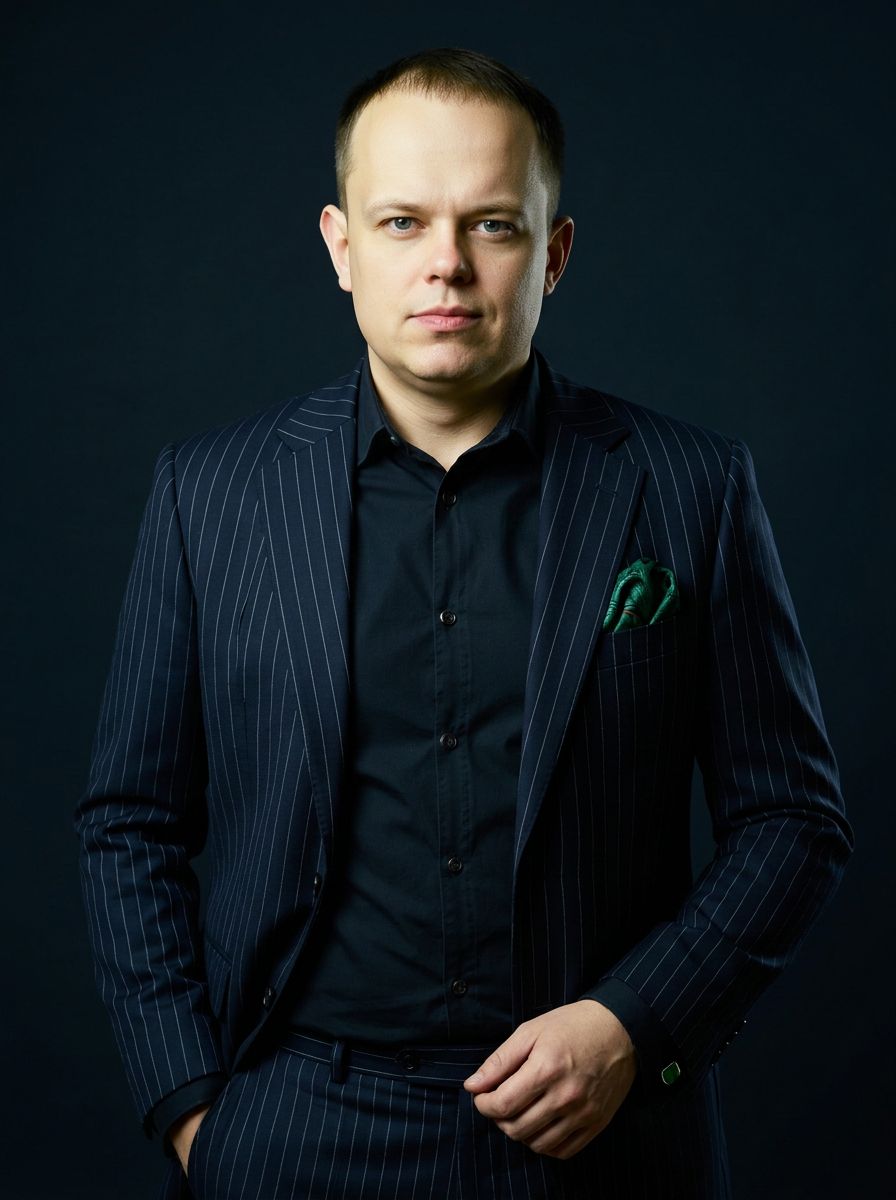
Managing Partner, Konsultant Law Firm
More than 20 years of practice in complex property and corporate disputes. Practicing insolvency practitioner.
TRADEMARK
Before an application is filed, the designation itself needs to be reviewed, the goods and services requiring protection need to be defined and existing designations that may prevent registration or create a risk of future conflict need to be assessed.
The exclusive right to a registered trademark lasts for ten years from the filing date of the application. At the rights holder’s request, it may be renewed for further ten-year periods repeatedly.
COPYRIGHT
As a general rule, state registration is not required for copyright to arise or be exercised in a work. In a dispute, evidence of creation, the date the work appeared, authorship, transfer of exclusive rights and unauthorized use is therefore especially important.
The law provides for optional state registration of computer programs and databases. Such registration may be used as one element of documenting and confirming information about a software product, but it does not replace properly drafted agreements with authors and developers.
If a logo, website, design, software program or another asset was created by an employee, studio, freelancer or contractor, it is necessary to determine separately who owns the exclusive right and what exactly the parties documented.
An agreement with a developer should therefore regulate not only the price and work product, but also use of the intellectual property created, transfer of the required rights and the documents confirming performance of those provisions.
Intellectual Property Protection in Practice
Practical answers for businesses and rights holders protecting trademarks, copyrights and other intellectual property assets.
Intellectual property includes results of intellectual activity and means of individualization that receive legal protection.
Such objects may include trademarks, works, computer programs, intellectual activity results and other objects provided by law.
Choosing the appropriate protection method requires identifying the specific object and type of infringement.
When another party uses a trademark, it is necessary to assess ownership rights, circumstances of use and possible infringement.
Protection may include claims, negotiations or court proceedings depending on the situation.
The strategy requires analysis of documents and factual circumstances.
Copyright protection depends on the object, circumstances of infringement and available evidence.
It is important to establish ownership, use of the object and consequences of the violation.
The appropriate protection method depends on the specific situation.
Where provided by law, a rights holder may seek protection of violated rights and available compensation remedies.
This requires establishing infringement, ownership rights and legal grounds for the claim.
The amount and method of protection depend on the circumstances of the case.
Brand protection includes analysing rights to used designations and selecting appropriate legal protection methods.
It is important to secure rights, monitor use of designations and respond to infringements.
The strategy depends on the business specifics and protected asset.
In an intellectual property dispute, it is necessary to identify the disputed object, parties’ rights and evidence supporting the position.
Documents, history of creation or acquisition of rights and circumstances of use should be analysed.
The strategy depends on the nature of the conflict.
Intellectual property disputes require analysis of documents, rights to the object and circumstances of use.
A lawyer helps assess risks, prepare documents and choose a protection strategy.
The strategy depends on the intellectual property object and client’s circumstances.
Describe the asset and the task: what belongs to you, how the rights arose and what is happening now. If you have registration documents, an agreement, a claim, a Rospatent decision or evidence that another person is using the asset, mention this in the description.